
Picture this: a patient with moderate asthma walks into your clinic for a routine checkup. Their spirometry looks fine. Their symptom diary is clean. But inside their blood, a specific ratio of sphing…
Picture this: a patient with moderate asthma walks into your clinic for a routine checkup. Their spirometry looks fine. Their symptom diary is clean. But inside their blood, a specific ratio of sphing…
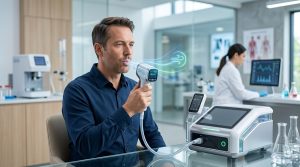
Your patient breathes out, and within seconds, a sensor detects molecular signals of a developing lung infection. No blood draw. No radiation. No waiting days for culture results. This is not a futuri…

When a patient with central airway obstruction (CAO) arrives in the emergency department, every second counts. The trachea or main bronchi are narrowed by tumor, scar tissue, or a foreign body. Breath…

Extracorporeal membrane oxygenation has come a long way from its origins as a last-resort salvage therapy. For critical care physicians, perfusionists, and respiratory therapists managing severe respi…

Intensivists and respiratory therapists know the challenge well. You are managing a patient with Acute Respiratory Distress Syndrome, and every ventilator adjustment feels like a trade off. Push too h…

Every year, lung cancer claims more lives in the United States than breast, colon, and prostate cancers combined. But here is the good news: the way we find it is changing fast. In 2026, we are seeing…
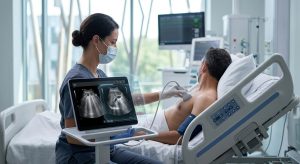
You are in the ED or the ICU. A patient arrives with acute respiratory failure, diffuse crackles, and a chest X-ray that looks like bilateral whiteout. The clinical picture is muddy. Is this a fluid o…

For pulmonologists, internists, and respiratory therapists, preventing COPD exacerbations is a daily challenge. Every hospitalization represents a setback for the patient and a burden on the healthcar…
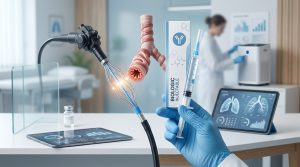
When a patient with severe asthma has tried every inhaler, failed on high dose corticosteroids, and still struggles to breathe, the conversation often turns to the newest biologic therapies. In 2026, …
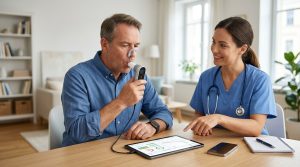
Every pulmonologist knows the frustration: you see a COPD patient in the clinic every three to six months, take a single spirometry reading, and hope it reflects their true disease course. But lung fu…